
Starting Trauma Therapy at Your Pace
You may want support for something that happened while also feeling unsure about talking about it. Questions about pace, trust and what therapy will involve are reasonable places to begin.
Shoreline offers trauma-informed individual care across California. The team includes several approaches, and a consultation can help you ask which clinician and format may fit your needs.

Maybe this sounds familiar
01
You want support but are unsure about sharing details.
02
The idea of a specific method raises questions.
03
You want to understand pacing and choice.
04
Provider trust matters as much as the technique.
01 · Understand
You do not need to tell the whole story in an inquiry
An ordinary website form is not the place for a detailed trauma history. Basic contact information and a short request for the type of support you are seeking are enough to begin an inquiry. The practice can explain how clinical information is shared through its approved process.
You can ask the clinician about pacing, assessment and what early sessions tend to involve. A particular technique should not be assumed appropriate just because it appears on a service page.

02 · Practice
Ask about the relationship as well as the method
Misty is EMDR trained, Holly uses IFS, Emily includes inner-child and attachment-informed work, and Dina draws on trauma-focused CBT and DBT. Aidé also works with trauma and brings attention to cultural context. These are descriptions of the team's approaches, not a guarantee that every option suits every person.
Ask how the clinician discusses goals, responds to feedback and considers whether telehealth is appropriate. You can name concerns about the process before deciding whether to begin.

03 · Choose Your Next Step
Match the approach to the person
The trauma service includes Dina Abdelaal, Misty Goldenberg, Emily Chen, Aidé Merito and Holly Whitmore. A particular approach, language or area of experience may guide your questions, but suitability needs a direct clinical conversation.
Ask about pacing, assessment and how feedback is handled. You do not need to share details of traumatic experiences in an ordinary web form. The consultation can establish the appropriate process for further information.

A therapist who fits you
These clinicians offer the related service. Availability and the right approach for your situation are part of the consultation.
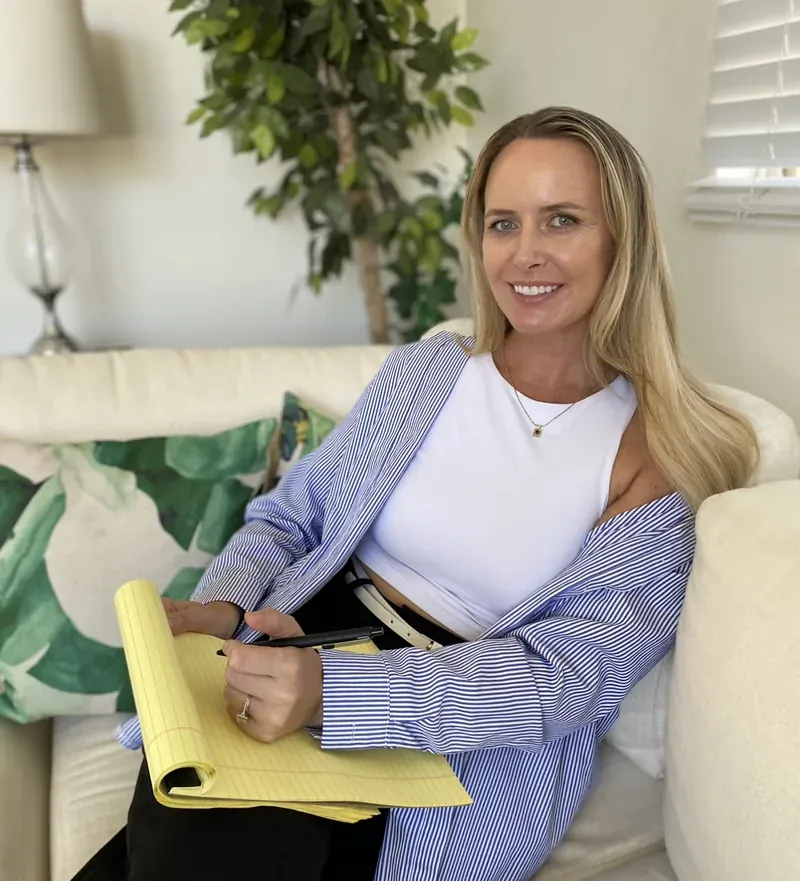
Holly Whitmore
MA, LMFT
Gottman couples therapy and IFS
View profile
Emily Chen
AMFT
EFT, attachment and inner child work
View profile
Misty Goldenberg
AMFT
EMDR, perinatal and couples work
View profile
Nicola Loretto
MA, AMFT
Grief, identity and Gottman couples work
View profile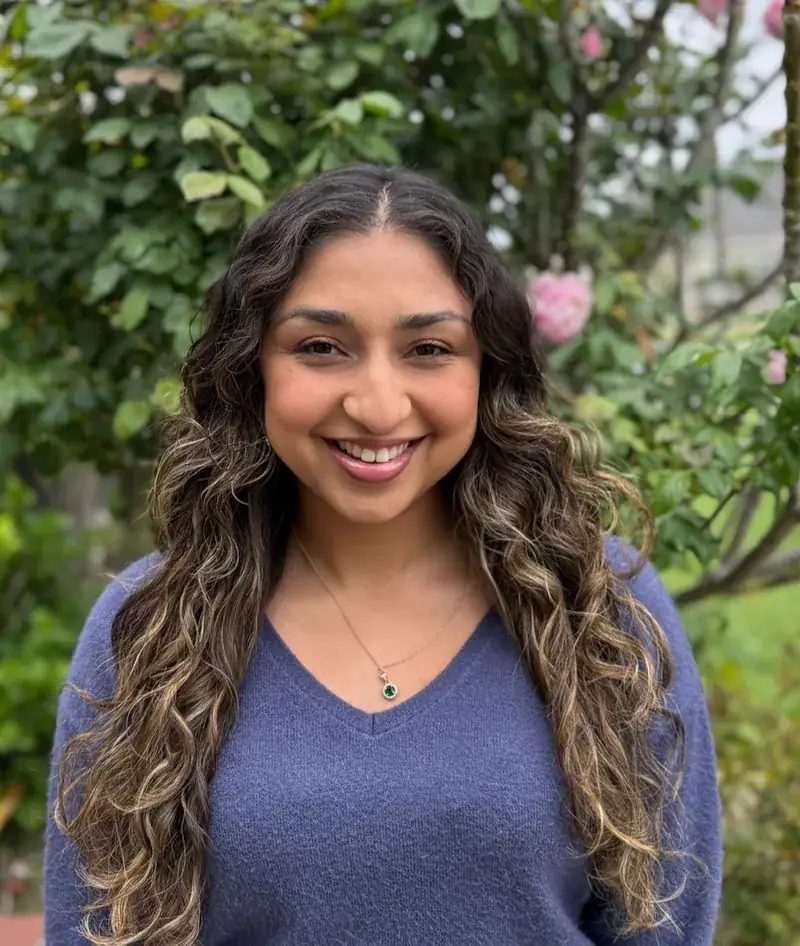
Dina Abdelaal
AMFT
Trauma and PTSD, in English and Spanish
View profile
Aidé Merito
AMFT, APCC
Teens, identity and trauma, in English and Spanish
View profileFees in brief
We are in network with Aetna (PPO and EPO plans only), Cigna, UnitedHealthcare, Optum and Blue Shield of California. Not every clinician is in network with every plan.
Seeing someone out of network? We provide superbills you can submit for reimbursement.
Rates and insuranceLicensed therapist
$180
per telehealth session
For adults, couples, children or families
Associate therapist
$150
per telehealth session
For adults, couples, children or families
Questions before you begin
Must I describe what happened during the free consultation?
Ask what information is needed to assess fit. You do not need to put a detailed personal history in an ordinary website inquiry; the practice should explain its appropriate intake process.
How do I ask about this service?
Tell the practice the broad kind of support you are seeking, your language preference and whether you have a clinician in mind. Fit, availability and any fee or insurance arrangement need to be confirmed before an appointment.

A small first step
Start with a free 15 minute phone consultation to discuss provider fit, availability and the next step. Keep personal and health details out of an ordinary website inquiry. Ongoing sessions are offered by video within California.
Explore Trauma and PTSD


Make room for a different conversation
Start with a free 15 minute phone consultation. We'll help you consider provider fit and next steps.